
We’ve all had that moment where we promise ourselves we’ll finally start working out, eat better, and take care of our health, but somehow life keeps getting in the way and that motivation fades faster than expected. Maybe you feel too tired after a long day, maybe you don’t know where to begin, or maybe everything online just feels too complicated and overwhelming. Real talk, starting fitness can feel confusing when every routine looks intense and every plan seems designed for people who already know what they’re doing. That’s why a simple fitness routine for beginners matters so much, because it removes the pressure and gives you a clear, easy path to follow without stress. Here’s the deal, you don’t need to be perfect, you don’t need expensive equipment, and you definitely don’t need to spend hours working out. You just need something realistic that fits into your life and helps you build a habit step by step.
Why simple always works better

When you start with something simple, your mind doesn’t resist it as much because it doesn’t feel like a burden, and that’s important because consistency is built on ease, not difficulty. Most people quit early because they try to do too much too soon, they jump into intense workouts, strict routines, and unrealistic schedules, and within days they feel exhausted and discouraged. A simple approach gives your body time to adjust while also allowing your mind to accept this new habit as part of your daily life. The beauty of simplicity is that it builds momentum slowly but surely, and once you start seeing even small improvements in your energy levels, mood, and strength, you naturally feel more motivated to continue without forcing yourself.
Understanding your starting point
Before jumping into any routine, it’s important to accept where you are right now without comparing yourself to others because everyone begins at a different level and your journey is your own. You might feel weak, out of shape, or even a little embarrassed about starting, but none of that matters because what truly counts is that you are willing to begin. Your first goal should not be to transform your body overnight but to build a habit that you can sustain over time, and that means listening to your body, respecting your limits, and gradually improving instead of rushing into something that feels overwhelming or painful.
The structure of a simple routine

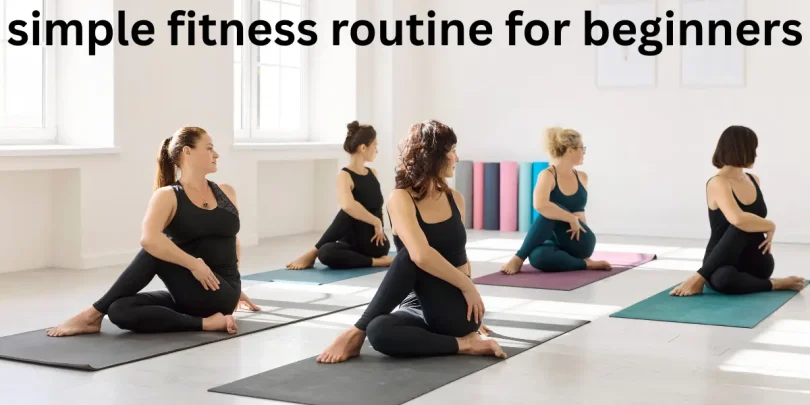
A beginner-friendly routine should be easy to follow, not too long, and should include movements that target your whole body without needing any equipment. You can start with a short warm-up to get your body moving and reduce the risk of injury, then move into a few basic exercises that work different muscle groups, and finally end with a cool down to relax your body and improve flexibility. This kind of structure keeps things balanced and helps you build strength, endurance, and confidence at the same time without feeling like you’re doing too much.
Warm-up matters more than you think
Many beginners skip warm-ups because they think it’s not important, but warming up actually prepares your muscles and joints for movement and makes your workout feel smoother and easier. Simple actions like moving your arms in circles, lightly jogging in place, or stretching your legs for a few minutes can wake up your body and improve your performance. It also reduces the chance of injury, which is especially important when you’re just starting out and your body is not used to regular exercise.
Core beginner exercises explained
The best exercises for beginners are the ones that use your own body weight because they are safe, effective, and easy to adjust according to your level. Movements like squats help strengthen your legs and improve balance, push-ups work your upper body and build strength in your arms and chest, planks help develop your core and improve stability, and jumping jacks add a bit of cardio to increase your heart rate. The goal is not to do them perfectly right away but to practice consistently and improve your form over time, and if something feels too hard, you can always modify it to make it easier until your strength improves.
Creating a weekly routine that feels doable
Instead of working out every single day and burning out quickly, it’s better to start with three days a week and give your body time to rest in between because recovery is just as important as the workout itself. You can choose any days that fit your schedule and keep your sessions short so they don’t feel like a big commitment. As your body adapts and you start feeling stronger, you can slowly increase the number of days or add a bit more intensity, but the key is to grow at your own pace without rushing the process.
Dealing with lack of motivation
One of the biggest challenges beginners face is staying motivated, especially when results don’t show immediately or when life gets busy. The truth is that motivation is not something you can rely on every day because it comes and goes, so instead of waiting to feel motivated, you should focus on building discipline and making your routine a habit. Even on days when you don’t feel like working out, just starting with a few minutes can make a big difference because once you begin, it often becomes easier to continue.
Managing soreness and fatigue
It’s completely normal to feel sore when you start exercising because your muscles are not used to the movements, but this soreness should not be painful or overwhelming. Light stretching, staying hydrated, and giving your body enough rest can help reduce discomfort, and over time your body will adapt and the soreness will decrease. If you feel extremely tired or in pain, it’s important to listen to your body and take a break instead of pushing yourself too hard, because fitness is about long-term progress, not short-term pressure.
The role of food and hydration
You don’t need a strict diet to begin your fitness journey, but making small improvements in your eating habits can support your progress and help you feel more energetic. Eating balanced meals that include protein, healthy fats, and carbohydrates can give your body the fuel it needs, while drinking enough water keeps you hydrated and supports your overall health. The goal is not to be perfect but to make better choices consistently and avoid extreme restrictions that are hard to maintain.
Tracking progress without pressure
Many beginners get discouraged because they focus only on visible results like weight loss, but progress comes in many forms and not all of them are immediately noticeable. You might start feeling more energetic, sleeping better, or noticing that your exercises feel easier, and these are all signs that your routine is working. Instead of constantly checking the scale, try to pay attention to how your body feels and celebrate small improvements because they are the foundation of long-term success.
Building a mindset that lasts
Your mindset plays a huge role in your fitness journey because the way you think about exercise can either make it feel like a burden or something you actually enjoy. If you see it as a punishment or something you have to do, it will always feel difficult, but if you treat it as a way to take care of yourself and improve your well-being, it becomes more meaningful and easier to stick with. Accept that there will be ups and downs, and instead of giving up after a bad day, remind yourself that progress is not about being perfect but about staying consistent.
Making your routine enjoyable
One of the best ways to stay consistent is to make your workouts enjoyable so they don’t feel like a chore. You can listen to music, follow a simple video, or even exercise with a friend to make the experience more engaging. The more you enjoy your routine, the more likely you are to stick with it, and over time it will become a natural part of your daily life instead of something you have to force yourself to do.
Knowing when to progress
As you continue your routine, you will start noticing that the exercises feel easier and your stamina improves, and that’s a sign that your body is getting stronger. At this point, you can gradually increase the number of repetitions, add new exercises, or slightly increase the intensity, but it’s important to do this slowly and carefully to avoid injury. Progress should feel challenging but not overwhelming, and you should always prioritize proper form over doing more.
You may also like these
Affordable Fitness Products Deals: Save Big on Quality Workout Gear
Latest Fitness Deals 2026 You Can’t Afford to Miss for Maximum Savings
Best Home Workout Gear Deals You Can’t Miss for Your Fitness Journey
Fitness Supplements Discount Offers – Huge Savings Now
Best Cheap Gym Equipment Deals for a Powerful Budget Home Gym
Conclusion
Starting your fitness journey doesn’t have to be complicated or stressful, and it definitely doesn’t require you to change everything overnight. What matters most is taking that first step and sticking with it, even when it feels small or insignificant, because those small efforts add up over time and create real change. Be patient with yourself, trust the process, and remember that every bit of effort counts, no matter how small it may seem. Keep things simple, stay consistent, and focus on building a routine that fits your life rather than trying to follow something unrealistic. With time, you will not only see changes in your body but also feel stronger, more confident, and more in control of your health, and that’s the real goal of a simple fitness routine for beginners.
Quick checklist to get started
Choose a few days in the week that you can realistically commit to and stick to them without overthinking
Start with short workouts that feel manageable rather than long sessions that feel exhausting
Focus on learning the correct form of each exercise instead of rushing through them
Stay consistent even on days when you don’t feel fully motivated
Pay attention to how your body feels and adjust your routine when needed
FAQs
What is the best simple fitness routine for beginners
A good routine includes basic exercises like walking, squats, push-ups, and stretching. It should be easy to follow and not too intense at the start.
How many days should beginners work out
Beginners should aim for three to five days a week to build consistency without overtraining their body.
Can I follow a simple fitness routine at home
Yes, most beginner routines are designed for home and require little to no equipment, making them very convenient.
How long should a beginner workout be
A beginner workout can be around twenty to thirty minutes, focusing on proper form and gradual progress.
How quickly can I see results with a simple fitness routine for beginners
With consistency, you may start feeling more energetic within a few weeks, while visible changes usually take a bit longer.