
Let’s be honest, starting a fitness journey sounds exciting in your head but feels completely different in real life. You think about waking up early, doing a perfect workout, eating clean, and becoming consistent, but then reality hits. You feel tired, your schedule gets busy, or you simply don’t know where to begin. Real talk, most people don’t quit because they’re lazy, they quit because it feels too complicated. That’s exactly why home workout tips without equipment are such a game changer. You don’t need a gym membership, you don’t need fancy machines, and you definitely don’t need to feel intimidated. All you need is your body, a little bit of space, and a mindset that says you’re ready to start small and stay consistent. Here’s the deal, this isn’t about becoming perfect overnight, it’s about building something sustainable that fits into your real life without pressure or confusion.
Why home workouts without equipment actually make sense
When you remove equipment from the equation, something interesting happens. Fitness becomes simple again. You stop overthinking and start doing. There’s no waiting for machines, no comparing yourself to others, and no financial barrier holding you back. Your body becomes your tool, and that’s more powerful than most people realize. Movements like squats, push-ups, lunges, and planks engage multiple muscle groups at once, meaning you’re building strength, balance, and endurance all together. Another thing people don’t talk about enough is comfort. When you’re at home, you’re in your own space, which makes it easier to focus and actually enjoy the process. Over time, this comfort turns into consistency, and consistency is where real results come from.
Getting started without feeling overwhelmed
One of the biggest mistakes beginners make is trying to do everything at once. They look up complex routines, try advanced exercises, and end up feeling exhausted or discouraged. The smarter approach is to start simple and build gradually. You don’t need a perfect plan, you just need a starting point. Begin with short sessions that feel manageable, even if it’s just fifteen minutes. The goal in the beginning isn’t intensity, it’s habit building. When you make exercise a regular part of your day, everything else becomes easier. It’s also important to listen to your body. There’s a difference between feeling challenged and feeling pain, and understanding that difference will help you stay consistent without risking injury.
Understanding the basics of bodyweight training
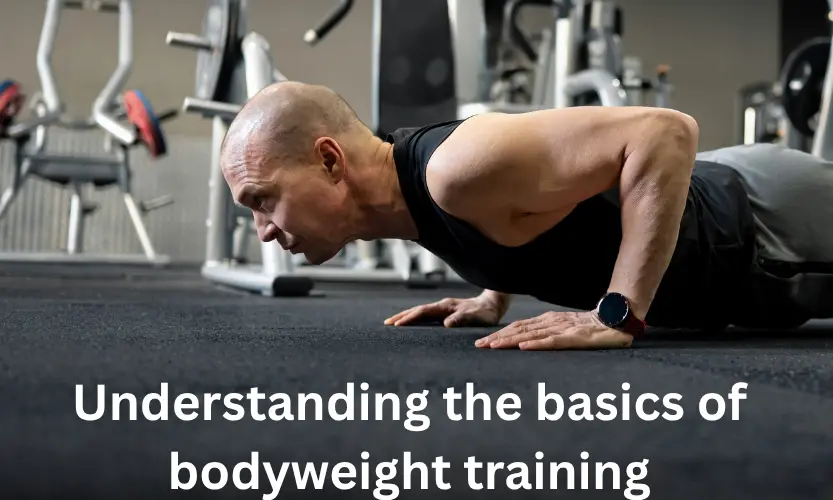
Bodyweight training is all about using your own weight as resistance. It might sound basic, but it’s incredibly effective when done correctly. Each movement has a purpose, and learning proper form is more important than doing a high number of repetitions. When you perform exercises slowly and with control, your muscles stay under tension longer, which leads to better results. Another key point is balance. A good routine should target different parts of your body, including your legs, arms, core, and overall endurance. This balanced approach helps prevent injuries and ensures your body develops evenly.
Essential exercises every beginner should know
When you’re just starting out, you don’t need dozens of exercises. A few well-chosen movements can give you a full-body workout. Squats are excellent for building lower body strength and improving mobility. Push-ups work your upper body and core at the same time, and they can be modified to match your fitness level. Planks are one of the best exercises for strengthening your core, which is important for almost every movement you do. Lunges improve balance and coordination while targeting your legs. Adding simple cardio movements like jumping jacks helps increase your heart rate and improves overall fitness. These exercises form the foundation of an effective home workout routine.
Building a routine that actually works
Creating a routine doesn’t have to be complicated. The key is to keep it realistic and flexible. Start with a simple structure that includes a warm-up, a few strength exercises, a bit of cardio, and a cool-down. Your warm-up prepares your body by increasing blood flow and reducing the risk of injury. The main workout focuses on strength and endurance, while the cool-down helps your body recover. The most important thing is consistency. It’s better to follow a simple routine regularly than to do a complicated one occasionally. Over time, you can adjust your routine based on your progress and how your body feels.
Staying consistent when motivation fades
Motivation feels great when it’s there, but it doesn’t last forever. Everyone has days when they don’t feel like working out, and that’s completely normal. The key is to rely on discipline instead of motivation. Think of your workout as something you do, not something you feel like doing. Creating a routine helps with this because it removes the need to make a decision every day. Another helpful strategy is to lower the barrier. On days when you feel low, tell yourself you’ll just do a short workout. Most of the time, once you start, you’ll end up doing more than you planned.
Avoiding common beginner mistakes
A lot of beginners get discouraged because they make avoidable mistakes. One of the most common ones is doing too much too soon, which leads to burnout or injury. It’s important to progress gradually and give your body time to adapt. Another mistake is ignoring proper form. Doing an exercise incorrectly not only reduces its effectiveness but also increases the risk of injury. Rest is another area people overlook. Your body needs time to recover, and rest days are a crucial part of the process. Without proper recovery, your progress will slow down.
How to make progress without equipment
Progress doesn’t require heavier weights, it just requires smarter adjustments. You can increase the number of repetitions, slow down your movements, or try more challenging variations of the same exercise. For example, once regular squats feel easy, you can try jump squats or single-leg squats. These small changes keep your workouts challenging and help your body continue improving. The key is to push yourself just enough to make progress without overdoing it.
Understanding your fitness goals
It’s important to know what you’re working towards, whether it’s weight loss, strength, or general fitness. If your goal is weight loss, consistency and diet play a major role. Bodyweight exercises help burn calories and improve your metabolism, but your eating habits also matter. If your goal is strength, you’ll notice gradual improvements in your ability to perform exercises and handle more challenging variations. Understanding your goal helps you stay focused and measure your progress in a meaningful way.
The importance of nutrition and hydration
Exercise alone isn’t enough to achieve your fitness goals. What you eat plays a huge role in your progress. You don’t need a strict or complicated diet, but you do need balance. Including protein, healthy fats, and carbohydrates in your meals helps support your workouts and recovery. Hydration is equally important. Drinking enough water improves your energy levels and helps your body function properly. Small changes in your diet can make a big difference over time.
Dealing with slow progress and plateaus
At some point, you might feel like you’re not making progress. This is completely normal and happens to everyone. The important thing is not to give up. Sometimes, all you need is a small change in your routine or a bit more patience. Progress isn’t always visible immediately, but that doesn’t mean it’s not happening. Staying consistent during these phases is what separates long-term success from short-term effort.
Mental and emotional benefits of working out at home
Physical changes are just one part of the journey. Working out also has a powerful impact on your mental health. It helps reduce stress, improve your mood, and increase your confidence. When you stick to a routine and see yourself improving, it creates a sense of achievement that carries over into other areas of your life. Over time, exercise becomes less about appearance and more about how it makes you feel.
Making your workouts enjoyable
If you don’t enjoy your workouts, it’s going to be hard to stay consistent. Find ways to make the experience better. Play music you like, choose a comfortable space, and treat your workout as a break from your daily routine rather than a task. When you start enjoying the process, consistency becomes much easier. Fitness shouldn’t feel like a punishment, it should feel like something you’re doing for yourself.
What to do when you miss a workout
Missing a workout doesn’t mean you’ve failed. It just means you’re human. The important thing is how you respond. Instead of feeling guilty, focus on getting back on track. One missed day doesn’t undo your progress, but giving up does. Keep your mindset flexible and remind yourself that consistency over time is what really matters.
Tracking your progress in a simple way
You don’t need complicated tools to track your progress. Pay attention to how you feel, how your strength improves, and how your endurance increases. Small improvements like doing more repetitions or feeling less tired are signs that you’re moving in the right direction. Keeping things simple makes the process less stressful and more enjoyable.
You may also like these
Affordable Fitness Products Deals: Save Big on Quality Workout Gear
Latest Fitness Deals 2026 You Can’t Afford to Miss for Maximum Savings
Best Home Workout Gear Deals You Can’t Miss for Your Fitness Journey
Fitness Supplements Discount Offers – Huge Savings Now
Best Cheap Gym Equipment Deals for a Powerful Budget Home Gym
Conclusion
At the end of the day, fitness doesn’t have to be complicated or intimidating. It can be simple, flexible, and something that fits naturally into your life. The beauty of home workout tips without equipment is that they remove all the barriers and make it easier for you to take that first step. You don’t need perfect conditions or endless motivation, you just need to start and keep going. Over time, those small efforts add up to real change, both physically and mentally. So instead of waiting for the perfect moment, start where you are and build from there because that’s how lasting progress is made.
Here’s a simple checklist to keep you on track
Start with basic exercises and focus on proper form
Keep your workouts short and consistent
Stay hydrated and eat balanced meals
Allow your body to rest and recover
Don’t give up after missing a day
FAQs
What are the best home workout tips without equipment for beginners
Start with simple exercises like squats, push-ups, and planks. Focus on proper form and gradually increase intensity to avoid injury.
Can I build muscle with home workout tips without equipment
Yes, bodyweight exercises can build muscle when done consistently with proper technique and progression like increasing reps or difficulty.
How often should I follow home workout tips without equipment
Aim for regular sessions throughout the week while allowing rest days so your body can recover and grow stronger.
Are home workout tips without equipment effective for weight loss
They can be very effective when combined with a balanced diet and consistency, helping you burn calories and improve metabolism.
Do I need a strict routine for home workout tips without equipment
A flexible routine works well as long as you stay consistent and include a mix of strength, cardio, and stretching exercises.