
Real talk—starting fresh sounds exciting until you actually try to do it in real life. You wake up motivated, maybe even plan your meals or think about exercising, but then life happens. You feel tired, distracted, or just unsure what the “right” thing to do is. Suddenly, all those perfect routines you see online feel unrealistic, and you end up doing nothing at all. That frustration is exactly why most people quit before they even begin. Here’s the deal—getting healthier isn’t about flipping a switch overnight, it’s about making small, consistent choices that slowly reshape your lifestyle. This is where a healthy lifestyle guide for beginners becomes useful, not as a strict rulebook but as a simple, practical way to make sense of everything without feeling overwhelmed or lost.
understanding what a healthy lifestyle really looks like
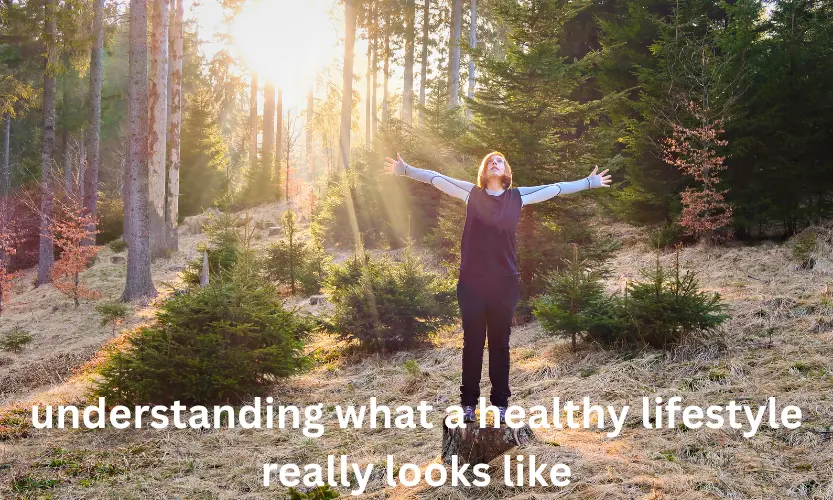
A healthy lifestyle is often misunderstood as something strict, boring, or difficult, but in reality it’s much more flexible and personal than that. It’s not just about eating clean food or working out every day, it’s about how you take care of your body and mind as a whole. This includes your energy levels, your sleep, your stress, your habits, and even your thoughts. When you start looking at health in a broader way, it becomes less about restriction and more about support. Instead of asking “what do I need to cut out,” you start asking “what can I add that makes me feel better,” and that shift alone changes everything. A healthy lifestyle is not about perfection or punishment, it’s about creating a routine that helps you feel stable, energised, and in control of your day without feeling deprived or pressured.
why starting small is the smartest move
One of the biggest reasons beginners fail is because they try to do too much at once. They suddenly decide to wake up early, exercise daily, eat perfectly, drink more water, and fix their sleep all in one go, which quickly becomes exhausting. The truth is your brain and body need time to adjust to change, and when you overload yourself, it naturally pushes back. Starting small is not being lazy, it’s being strategic. When you focus on one or two habits at a time, you give yourself the chance to actually build consistency. For example, simply increasing your daily water intake or adding a short walk to your routine might seem minor, but these small actions create momentum. Over time, these habits stack on top of each other, and before you realise it, your lifestyle starts to shift without feeling forced or stressful.
building a simple morning routine that works
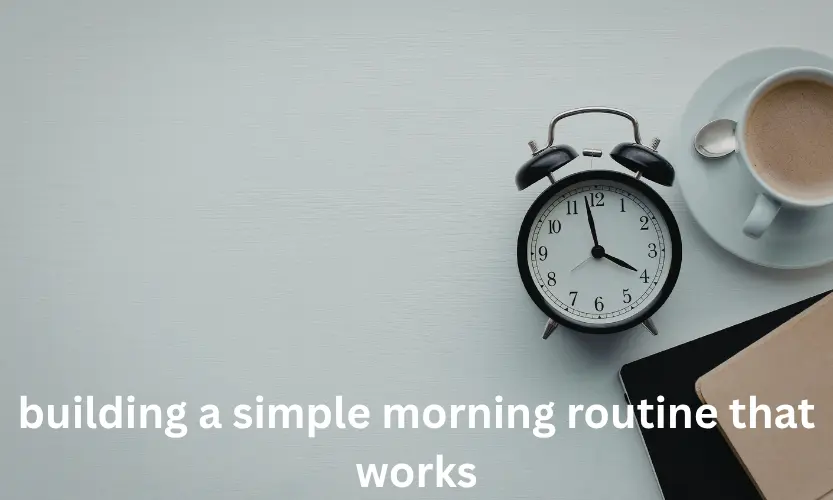
Mornings don’t need to be complicated or highly structured to be effective. You don’t need a long list of activities or a strict schedule to follow. What matters is creating a calm and intentional start to your day. Waking up at roughly the same time each day helps regulate your body clock, and even something as simple as drinking water after waking up can make a noticeable difference in how you feel. Adding a few minutes of stretching or light movement can wake your body up gently without overwhelming you. The key here is simplicity and consistency, not perfection. Your morning routine should feel supportive, not stressful, and it should fit naturally into your life instead of feeling like a burden you have to carry every day.
eating better without feeling restricted
Food is one of the most confusing parts of starting a healthy lifestyle because there is so much conflicting advice out there. The biggest mistake beginners make is thinking they need to follow a strict diet or completely cut out their favourite foods. That approach rarely works long term because it feels too limiting. A better way to approach food is to focus on balance rather than restriction. Instead of removing everything you enjoy, start adding more nutritious options into your meals. Gradually include more vegetables, fruits, and home-cooked meals while still allowing yourself to enjoy treats occasionally. This creates a sustainable pattern that doesn’t feel like punishment. Eating well should support your body and give you energy, not make you feel guilty or stressed.
understanding your eating habits and triggers
A lot of the time, eating is not just about hunger but about emotions. You might find yourself reaching for food when you are bored, stressed, or even tired. This is completely normal, but becoming aware of it is important. When you start noticing why you eat, you can slowly build a healthier relationship with food. Instead of reacting automatically, you pause and ask yourself what you actually need in that moment. Sometimes it’s food, but other times it might be rest, distraction, or comfort. This awareness helps you make better choices without forcing yourself into strict rules or restrictions, which is key for long-term success.
moving your body in a way that feels natural
Exercise doesn’t have to mean intense workouts or long gym sessions, especially when you’re just starting out. The idea is simply to move your body more than you currently do. This could be as simple as walking, stretching, or doing light exercises at home. The goal is to build a habit of movement, not to exhaust yourself. When you choose activities that you enjoy or at least don’t hate, you are much more likely to stay consistent. Over time, your body becomes stronger and more capable, and you may naturally want to try more challenging activities, but that progression should feel natural, not forced.
creating consistency in your routine
Consistency is the real foundation of any healthy lifestyle, but it’s also the hardest part for most people. The reason is simple—motivation comes and goes, but habits stay. If you rely only on motivation, you’ll struggle to stay on track. Instead, focus on building routines that become automatic over time. This might mean setting a regular time for meals, choosing a specific time for movement, or creating a simple nighttime routine. When your actions become part of your daily rhythm, they require less effort and decision-making, which makes them easier to maintain even on days when you don’t feel motivated.
the role of sleep in your overall health
Sleep is often overlooked, but it plays a huge role in how you feel and function. Without enough rest, your energy levels drop, your mood changes, and even your eating habits can be affected. Improving your sleep doesn’t require complicated strategies. Going to bed at a consistent time, reducing screen exposure before sleeping, and creating a calm environment can make a big difference. When your body is well-rested, everything else becomes easier, from making better food choices to staying active and focused throughout the day.
managing stress in a realistic way
Stress is a natural part of life, but how you handle it can significantly impact your health. Ignoring stress or coping with it in unhealthy ways can make everything feel harder, including maintaining your routine. Finding simple ways to manage stress can improve your overall well-being. This could include taking short breaks, spending time alone, writing down your thoughts, or simply stepping away from things that overwhelm you. The goal is not to eliminate stress completely but to handle it in a way that doesn’t drain you or disrupt your progress.
staying on track when motivation fades
There will be days when you don’t feel like doing anything, and that’s completely normal. The key is not to rely on motivation but to rely on your habits. Even on low-energy days, doing something small is better than doing nothing. This could mean a short walk instead of a full workout or choosing a slightly healthier meal instead of the perfect one. These small actions keep your momentum going and prevent you from falling completely off track. Over time, this approach builds resilience and makes your routine more stable.
dealing with setbacks without losing progress
Setbacks are unavoidable, and expecting a perfect journey only sets you up for disappointment. Missing a workout or eating something unhealthy does not erase your progress. What matters is how you respond. Instead of giving up or waiting for a “perfect time” to restart, simply continue from where you are. This mindset removes pressure and makes your lifestyle feel more flexible and realistic. Progress is not about being perfect every day, it’s about staying consistent over time despite occasional slip-ups.
building confidence through gradual progress
As you start making small changes and sticking to them, you’ll begin to notice subtle improvements in how you feel. You might have more energy, better focus, or improved mood. These changes build confidence and reinforce your habits. Instead of comparing yourself to others or expecting rapid results, focus on your own progress. Every small improvement matters, and recognising these wins keeps you motivated and engaged in your journey.
creating a lifestyle that fits your reality
A healthy lifestyle should work for you, not against you. This means adjusting your habits based on your schedule, preferences, and responsibilities. What works for someone else may not work for you, and that’s completely fine. The goal is to create a routine that feels manageable and sustainable in your daily life. Flexibility is essential because life is unpredictable, and your routine should be able to adapt without falling apart.
simple daily habits that create long-term change
Small daily habits are the building blocks of a healthy lifestyle. Drinking enough water, moving your body regularly, eating balanced meals, getting enough sleep, and managing stress may seem basic, but together they create a strong foundation. When you focus on these simple actions consistently, they lead to long-term improvements without the need for extreme changes or complicated plans.
You may also like these
Affordable Fitness Products Deals: Save Big on Quality Workout Gear
Latest Fitness Deals 2026 You Can’t Afford to Miss for Maximum Savings
Best Home Workout Gear Deals You Can’t Miss for Your Fitness Journey
Fitness Supplements Discount Offers – Huge Savings Now
Best Cheap Gym Equipment Deals for a Powerful Budget Home Gym
final thoughts
Starting your journey may feel uncertain at first, but it doesn’t have to be complicated or overwhelming. You don’t need to follow strict rules or aim for perfection to see results. What truly matters is taking small, consistent steps that fit into your life and gradually build into something meaningful. A healthy lifestyle guide for beginners is not about transforming everything overnight, it’s about creating habits that support you in the long run and make you feel better day by day.
simple actionable checklist
Start your day with a glass of water and try to keep yourself hydrated throughout the day as much as possible while paying attention to how your body feels and responds to it keep your meals balanced by adding healthier options instead of removing everything you enjoy and focus on eating in a way that feels natural and sustainable move your body in any way that feels comfortable even if it’s just a short walk or light activity and aim to stay consistent rather than perfect improve your sleep by going to bed a little earlier and creating a calm environment that helps you relax and finally remind yourself that progress takes time so focus on small improvements instead of expecting instant results
FAQs
What is included in a healthy lifestyle guide for beginners
A healthy lifestyle guide for beginners usually covers balanced eating, simple exercise routines, better sleep habits, stress management, and small daily habits that improve overall well-being.
How do I start a healthy lifestyle as a complete beginner
Start small and stay consistent. Focus on drinking more water, adding basic physical activity like walking, and improving your diet step by step instead of changing everything at once.
How long does it take to see results from a healthy lifestyle
You may start feeling more energetic within a few weeks, but visible and long-term results depend on consistency, patience, and maintaining sustainable habits.
Do I need a strict diet in a healthy lifestyle guide for beginners
No, a strict diet is not necessary. A balanced and flexible approach that includes whole foods, moderation, and occasional treats works better for long-term success.
Can I follow a healthy lifestyle guide for beginners at home
Yes, you can easily follow it at home by making simple food choices, doing home workouts, and creating a routine that supports your physical and mental health.