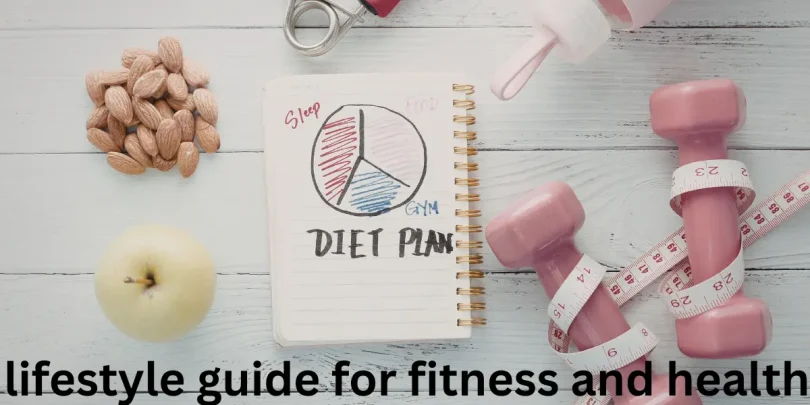

Starting something like fitness and health improvements always sounds easy at first, but in real life it rarely feels that simple. You might plan everything perfectly in your mind, feel motivated for a day or two, and then suddenly life gets busy, energy drops, and the whole routine falls apart again. This cycle of starting and stopping is something almost everyone goes through, and it often makes people feel like they are doing something wrong when actually the problem is not effort, it is approach. That is exactly why this lifestyle guide for fitness and health is here—to make everything feel more realistic, simple, and actually possible to follow in your everyday routine without stress or pressure.
What fitness and health truly mean in everyday life

Fitness is about function, not perfection
Fitness is often misunderstood as having a certain body type or being able to perform intense workouts, but in reality it is simply about how well your body supports your daily life. If you can walk without getting tired, carry groceries without strain, climb stairs without feeling breathless, and move through your day with energy instead of exhaustion, you are already moving toward fitness. It is not about comparing yourself to athletes or influencers, but about improving your own baseline. The real goal is to make your body capable, resilient, and comfortable to live in. When you start viewing fitness this way, it becomes less intimidating and more practical, because it shifts from “I need to look a certain way” to “I want to feel better in my own body.”
Health is a full system, not just physical appearance
Health is not limited to weight, size, or muscle definition. It is a combination of physical, mental, and emotional well-being working together. Someone might look fit from the outside but still struggle with low energy, poor sleep, anxiety, or digestive issues. On the other hand, someone who doesn’t look traditionally fit might still have strong energy levels, stable moods, and good internal health. Real health includes how you sleep at night, how you feel when you wake up, how you handle stress, how focused your mind is, and how consistently your body functions without discomfort. Once you understand this, your focus naturally shifts away from quick visual changes and toward long-term balance.
Why starting feels difficult for most people
The overload of conflicting advice
One of the biggest reasons people fail to start or stay consistent is the overwhelming amount of contradictory information available everywhere. One source tells you to cut carbs completely, another says carbs are essential. One routine says train every day, another insists on long rest periods. Some people promote extreme diets, while others encourage flexible eating with no restrictions. When you try to follow everything at once, confusion replaces clarity, and confusion leads to inaction. The truth is that most methods work if they are applied consistently over time, but beginners rarely stay long enough with one approach to see results.
Unrealistic expectations and pressure for fast results
Many beginners expect rapid transformation. There is an assumption that a few days of working out should lead to visible changes, or that one diet change should immediately reshape the body. When results don’t appear quickly, motivation drops and frustration builds. However, the body does not work on instant timelines. Fat loss, muscle gain, improved stamina, and metabolic changes all take time. When expectations are aligned with reality, the entire journey becomes less stressful and far more sustainable.
Lack of structure in daily life
Another major issue is the absence of a stable routine. Many people rely on motivation instead of structure. Motivation is emotional and temporary, while structure is practical and repeatable. Without a routine, even strong intentions fail because there is nothing guiding daily action. A structured approach removes decision fatigue and turns healthy behavior into automatic habits over time.
Building a mindset that supports long-term success
Thinking in systems instead of quick fixes
One of the most important mental shifts in fitness is moving away from short-term thinking. If you view fitness as a temporary project, you will eventually stop once the initial excitement fades. But if you treat it as a system that supports your life permanently, it becomes part of your identity. This does not mean being strict or perfect; it means building routines that can exist even on busy or low-energy days. The goal is sustainability, not intensity.
Accepting slow progress as real progress
Progress in fitness is rarely dramatic in the beginning. Instead, it appears in subtle changes like slightly better energy levels, improved sleep, reduced fatigue, or easier movement. These changes are easy to overlook but extremely important. When you learn to value small improvements, you stay consistent longer because you are not waiting for sudden transformations. Over time, these small changes accumulate into significant results.
Letting go of perfection as a requirement
Perfection is one of the biggest barriers to consistency. Many people believe that missing one workout or eating something unhealthy means failure. This all-or-nothing mindset is damaging because it turns small mistakes into complete stops. In reality, fitness is built on repetition, not perfection. Missing a day does not erase progress, just like one healthy day does not transform your body instantly. What matters is the overall direction of your habits over weeks and months.
Understanding nutrition without complexity
Eating in a balanced and realistic way
Nutrition is often overcomplicated with strict rules and restrictive diets. However, the foundation of healthy eating is balance. Your body needs proteins for repair, carbohydrates for energy, fats for hormonal balance, and vitamins for overall functioning. Instead of removing entire food groups, it is more effective to include a variety of foods in reasonable amounts. This approach is not only healthier but also easier to maintain long term.
Building simple daily eating habits
Rather than following strict meal plans, focus on practical habits that fit your lifestyle. Eating more home-cooked meals when possible gives you better control over ingredients. Including protein in each meal helps with energy and muscle maintenance. Adding fruits or vegetables daily supports digestion and immunity. Drinking enough water throughout the day improves focus and reduces fatigue. These small habits are more sustainable than complicated dieting systems.
Understanding portion balance naturally
You do not always need to track every calorie to eat well. A simple and effective method is to structure meals visually. Half of your plate can consist of vegetables, one quarter protein, and one quarter carbohydrates. This naturally creates balance without requiring constant measurement or restriction. Over time, your body also becomes more aware of hunger and fullness signals, making eating more intuitive.
Starting exercise in a beginner-friendly way
Beginning at your current level
One of the biggest mistakes beginners make is starting too intensely. This often leads to exhaustion, soreness, and eventual quitting. A better approach is to start at your current ability level. If you are not used to exercise, simple movements like walking, stretching, or light bodyweight exercises are enough. The purpose of the beginning phase is not intensity but adaptation. Your body needs time to adjust to movement again.
Simple exercises that build a strong foundation
Basic exercises like squats, push-ups, planks, and walking are more powerful than they appear. Squats strengthen your legs and improve mobility, push-ups build upper body strength, and planks improve core stability. Walking enhances overall endurance without putting stress on joints. These movements form the foundation of physical fitness and can be done without equipment or gym membership.
The importance of staying consistent over time
Consistency matters far more than intensity. A short daily routine repeated consistently produces better results than occasional intense workouts. The body responds best to repetition because it gradually adapts and strengthens. Even on low-energy days, doing a minimal version of your routine helps maintain momentum and keeps the habit alive.
Strength training as a long-term benefit
Why strength training matters for everyone
Strength training is not only for bodybuilders or athletes. It plays a crucial role in maintaining bone density, improving posture, increasing metabolism, and preventing injuries. It also supports daily activities like lifting, carrying, and moving with ease. As people age, strength becomes even more important for maintaining independence and physical ability.
Starting with bodyweight before equipment
You do not need heavy weights to begin strength training. Your body weight is enough to create resistance and build strength. Exercises like squats, lunges, push-ups, and planks are highly effective. Once your body adapts, you can gradually introduce resistance bands or weights for progression. The key is gradual overload, not immediate intensity.
Understanding gradual improvement
Strength does not develop instantly. Early progress may not be visible externally, but internally your muscles, joints, and nervous system are adapting. Over time, movements become easier, recovery becomes faster, and endurance improves. This invisible phase is often where most beginners quit, but it is actually the foundation of long-term transformation.
Cardio and natural movement in daily life
The role of cardio in overall health
Cardio exercise supports heart health, improves lung capacity, increases stamina, and enhances mental clarity. It also plays a role in stress reduction by releasing endorphins. However, cardio does not need to be extreme or exhausting to be effective.
Easy ways to include cardio naturally
Instead of structured running programs, beginners can include cardio through simple activities like brisk walking, cycling, light jogging, or even dancing at home. Choosing stairs instead of lifts and walking short distances instead of using transport also contributes to daily cardiovascular activity.
Movement beyond workouts
Physical activity is not limited to workouts. Everyday movement plays a major role in overall fitness. Staying active throughout the day by avoiding long periods of sitting, stretching regularly, and moving frequently contributes significantly to health. The goal is to avoid a sedentary lifestyle rather than focusing only on workout sessions.
Creating a sustainable routine that fits your life
Designing routines based on reality
A sustainable routine is one that fits your actual schedule, not an ideal version of your life. If you are busy, short workouts are better than no workouts. If mornings are hectic, evening movement may work better. The best routine is the one you can repeat consistently without stress.
Flexibility as a key component
Rigid routines often fail because life is unpredictable. Flexibility allows you to adjust without quitting. If you miss a workout, you can continue the next day without guilt. If you are tired, you can reduce intensity instead of skipping entirely. Flexibility keeps the habit alive even during difficult periods.
Building identity through repetition
Over time, repeated actions shape identity. When you consistently move, eat better, and take care of yourself, you begin to see yourself as someone who values health. This identity shift is powerful because it reduces reliance on motivation and increases natural consistency.
You may also like these
Daily fitness tips for beginners to stay consistent and motivated
Home Workout Tips Without Equipment That Transform Your Body Fast
how to lose weight naturally at home fast with proven easy lifestyle changes
Simple Fitness Routine for Beginners to Build Strength and Confidence
Easy Workout Tips for Busy People to Stay Fit Without Stress
Conclusion
Fitness and health are not something you achieve overnight or through strict, complicated rules. They are built slowly through small, consistent actions that fit naturally into your daily life. When you stop chasing perfection and instead focus on simple habits like moving your body regularly, eating in a balanced way, and staying consistent even on low-energy days, everything starts to feel more manageable. The real transformation happens quietly over time, not in dramatic short bursts. You begin to feel more energetic, more stable, and more in control of your routine without forcing extreme changes.
At the end of the day, what matters most is building a routine that you can actually live with, not one that feels like a temporary challenge. If you keep things simple, stay patient, and allow yourself to grow step by step, your body and mind will naturally follow in a healthier direction. That is the real strength of a lifestyle guide for fitness and health.
Small actionable takeaway checklist
Start with 10 to 15 minutes of daily movement
Drink more water consistently throughout the day
Include at least one balanced meal daily
Walk whenever possible instead of staying sedentary
Focus on consistency rather than intensity
FAQs
What is the best way to start a fitness and health lifestyle guide
Start small with daily movement, balanced meals, and consistent sleep habits. Focus on simple changes that are easy to maintain long term.
How can beginners follow a fitness and health routine easily
Beginners should focus on walking, light workouts, hydration, and reducing processed food while gradually building consistency.
Why is a structured lifestyle guide important for fitness and health
It helps create discipline, balance, and clear direction, making it easier to stay consistent and avoid unhealthy habits.
Can diet alone improve overall fitness and health
Diet plays a major role, but combining it with exercise, rest, and mental well-being gives the best long-term results.
How long does it take to see results from a fitness and health lifestyle change
Most people start noticing small improvements within a few weeks, but major changes usually take consistent effort over months.